


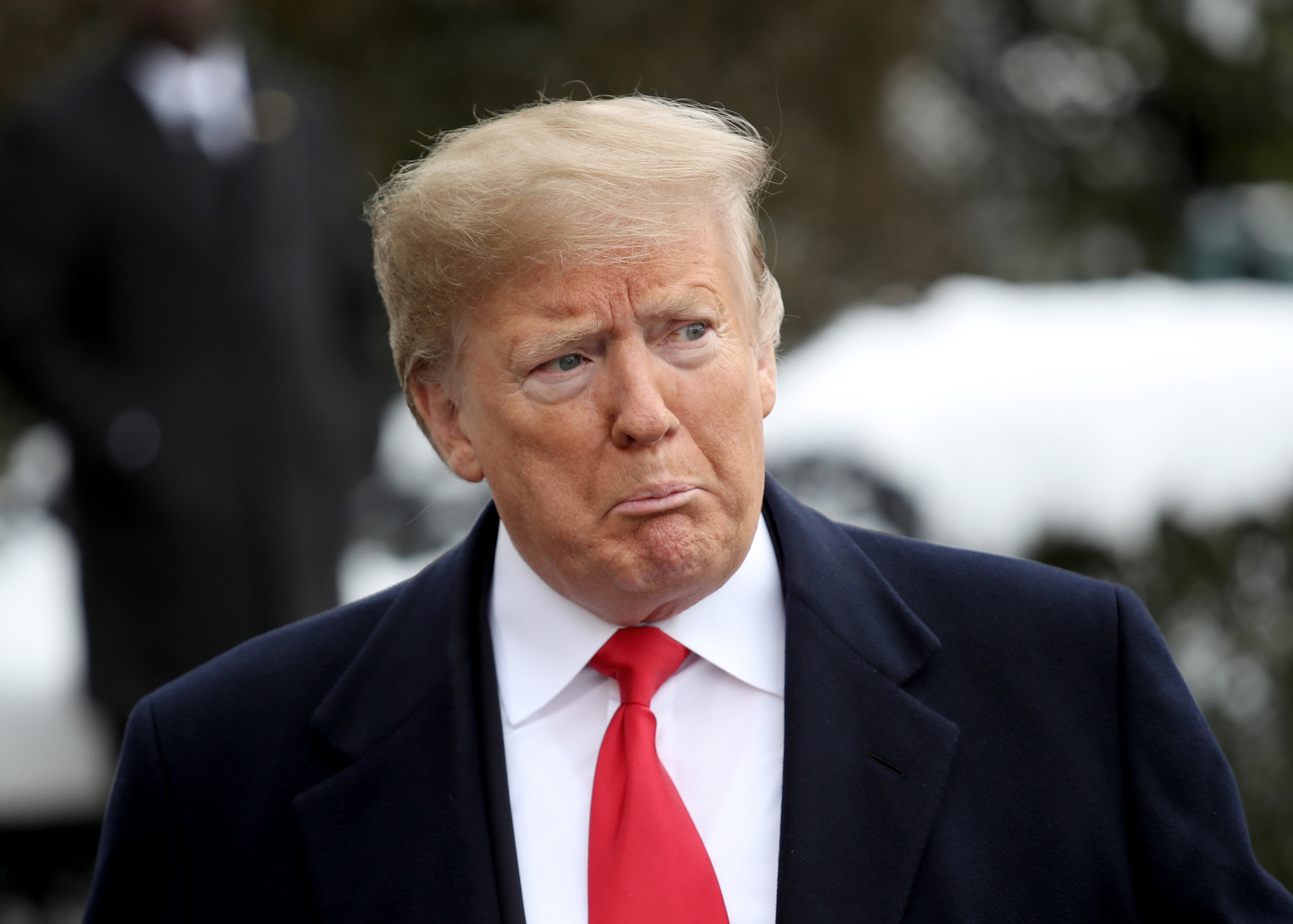
President Donald Trump faced mounting pressure from Republicans on Wednesday to change course after a midterm election drubbing that gave Democrats control of both chambers of Congress and saw voters reject many of his handpicked candidates.
Allies and strategists urged him to shake up White House personnel, restore discipline and abandon policies they blame for the losses—chief among them the Iran war and tariffs—as his second term enters its final years.
Veteran Republican strategist John Feehery called the outcome a “huge disaster,” adding that Trump “needs to clean house” and that “every day from this point forward, he’s becoming more and more lame.”
Past Blunders
A senior White House official, speaking anonymously, said internal polling had warned six weeks before Election Day that Republicans were headed for losses in both chambers. Trump nevertheless refused to alter course on the roughly eight-month-old Iran conflict despite clear warnings about its political costs. “Ultimately, he just didn’t care,” the official said. “He refused to listen to anyone.”
Trump later acknowledged the war had hurt GOP candidates but defended launching it.
Party concerns extended beyond the war and tariffs. Focus groups for competitive Senate races in places such as Michigan and Iowa showed growing opposition among Republican and independent voters to Trump’s emphasis on the White House ballroom and other Washington renovations. One Republican political adviser warned that continued focus on such projects risked another shellacking in future elections.
On Wednesday, Trump visited the ballroom construction site and described the work as “relaxing.”
Trump himself rejected the idea that the results reflected on him, telling Fox News late Tuesday, “I don’t view it as a hit on me.” The White House struck a defiant public note, posting a photo of the president with the message “PSA: TRUMP IS STILL YOUR PRESIDENT.”
Future Challenges
Democrats’ new majorities give them power to block Trump’s legislation, investigate his administration and challenge nominees. This is expected to push an already executive-heavy presidency toward even greater reliance on unilateral actions. Reuters has previously reported that the White House spent months preparing executive moves on immigration, tariffs, housing and federal spending to advance parts of the agenda without Congress.
Executive power, however, cannot shield the administration from congressional probes; the same senior official noted that “nobody wants to deal with the investigations.” Morale inside the White House is described as extremely low, with aides bracing for staff departures and possible Cabinet changes.
Trump must also decide whether to double down on an agenda that some Republicans view as a growing political liability, particularly for potential successors looking toward 2028.
Vice President JD Vance, widely seen as Trump’s likely political heir, publicly blamed the Iran war for the losses on Wednesday—an early sign of distancing that strategists and party officials said could become more common if Trump’s grip on Republican voters weakens.
With Democrats in control of Congress for the remainder of Trump’s term, Republicans face a constrained environment in which continued refusal to adjust course risks further damage to the party’s standing and complicates the path for whoever seeks the White House next.