


Russia arranged to supply Iran with 90 launchers for advanced guided missiles, according to leaked defence industry documents that shed light on the depth of military cooperation between Moscow and Tehran.
The documents, obtained by Dallas Analytics, a Ukrainian private intelligence firm, and shared with the Guardian, detail plans to supply Iran with launchers for the LMUR, a guided missile fired from attack helicopters that Russian forces have used extensively against Ukrainian targets since the full-scale invasion in 2022.
A production schedule drawn up in May 2024 by Vympel, a leading Russian designer of missiles and launch systems, lists an order for 90 launchers under an export contract designated “K-10”, with deliveries scheduled between late 2024 and December 2025.
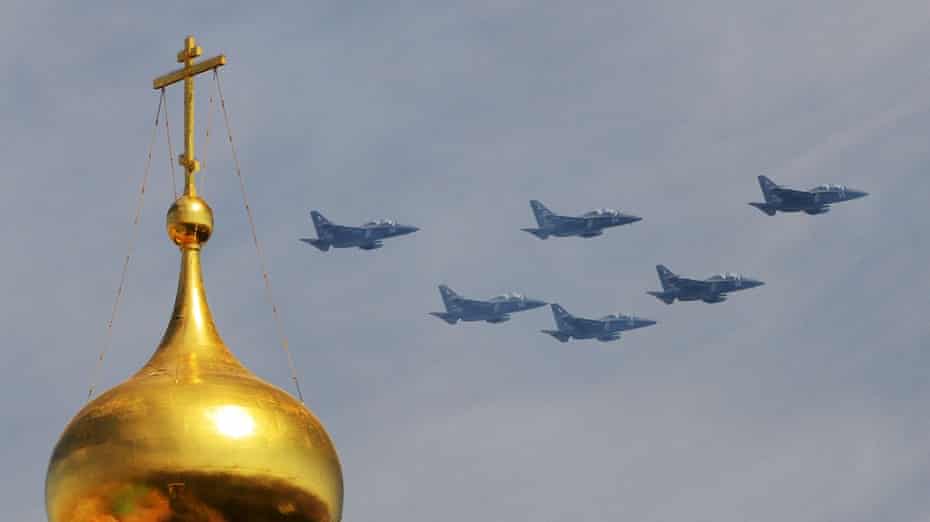
Separate internal paperwork explicitly identifies K-10 as Iran.The records do not establish whether the launchers were ultimately delivered. However, a separate production schedule listing six Yak-130 jet trainers destined for Iran in 2023 is consistent with publicly reported deliveries of the aircraft.
The files offer fresh insight into Russian-Iranian military cooperation at a sensitive moment as Washington weighs its next steps in its war against Iran after the US midterm elections.Observers widely regard Moscow as one of the main winners of a prolonged war in Iran, which has brought Russia strategic and economic advantages.
Russia has benefited from an increase in global energy prices triggered by disruptions to shipping through the strait of Hormuz and attacks on energy infrastructure across the Gulf. Higher oil revenues give the Kremlin an additional source of funds for its war in Ukraine and could help ease pressure on Russia’s strained budget.The war has also diverted international attention and western military resources away from Ukraine, further straining Kyiv’s access to crucial US-made Patriot air defence interceptors.
Donald Trump has repeatedly played down the extent of Moscow’s support for Iran. Last month, the US president wrote that Russia was doing “very little, if anything” to help Tehran, arguing that he did not want to drive Moscow away from negotiations to end the war in Ukraine.