


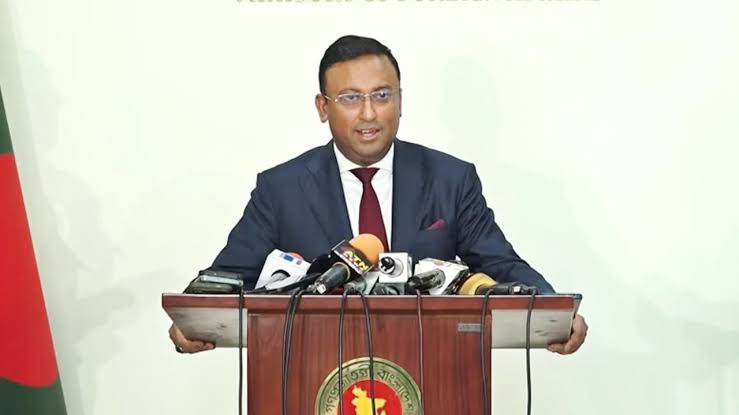
Acting Foreign Minister Humaiun Kobir on Monday called for “collective support” from Commonwealth members to ensure the “safe, voluntary and dignified” repatriation of Rohingya refugees to Myanmar during a retreat session of the pre-CHOGM Commonwealth Foreign Affairs Ministers Meeting in St. John’s, Antigua and Barbuda.
Kobir, who is leading Bangladesh’s delegation to the Commonwealth Heads of Government Meeting (1–4 November), framed the appeal as part of broader calls for renewed collective action on peace and security, climate resilience (including operationalising the Loss and Damage Fund), energy and food security, and investment among member states. Bangladesh’s Ministry of Foreign Affairs confirmed the remarks the following day.
The statement follows the standard diplomatic phrasing Bangladesh has used for years regarding the roughly one million Rohingya who fled Myanmar’s military operations in Rakhine State in 2017 and subsequent waves of displacement. On the sidelines of the summit, Kobir also met UK Foreign Secretary Ed Miliband, who thanked Bangladesh for hosting the refugees and reiterated British humanitarian support.
The remarks drew swift criticism from Shafiur Rahman, a UK-based journalist and Rohingya rights advocate who runs the newsletter RoRefugeeNews. In a post on X shortly after the Daily Sun report of Kobir’s comments, Rahman wrote that the appeal contained “not a word about citizenship, land, protection or accountability” and represented the “same old script — manage displacement, never end its causes.”
He added that it is “meaningless to refer to that ‘holy trinity’ of words [safe, voluntary and dignified] without naming any of the rights or guarantees that would give them substance.” Rahman has long argued that repatriation language remains empty unless it is tied to concrete measures addressing the root causes of the crisis in Myanmar, including restoration of citizenship and accountability for past atrocities.
As of early November 2026, large-scale returns have not materialised, with refugees and international observers continuing to cite insecurity, lack of legal status, and the absence of guarantees in Rakhine as primary barriers. Bangladesh continues to press for international support while bearing the bulk of the humanitarian burden in the Cox’s Bazar camps.