


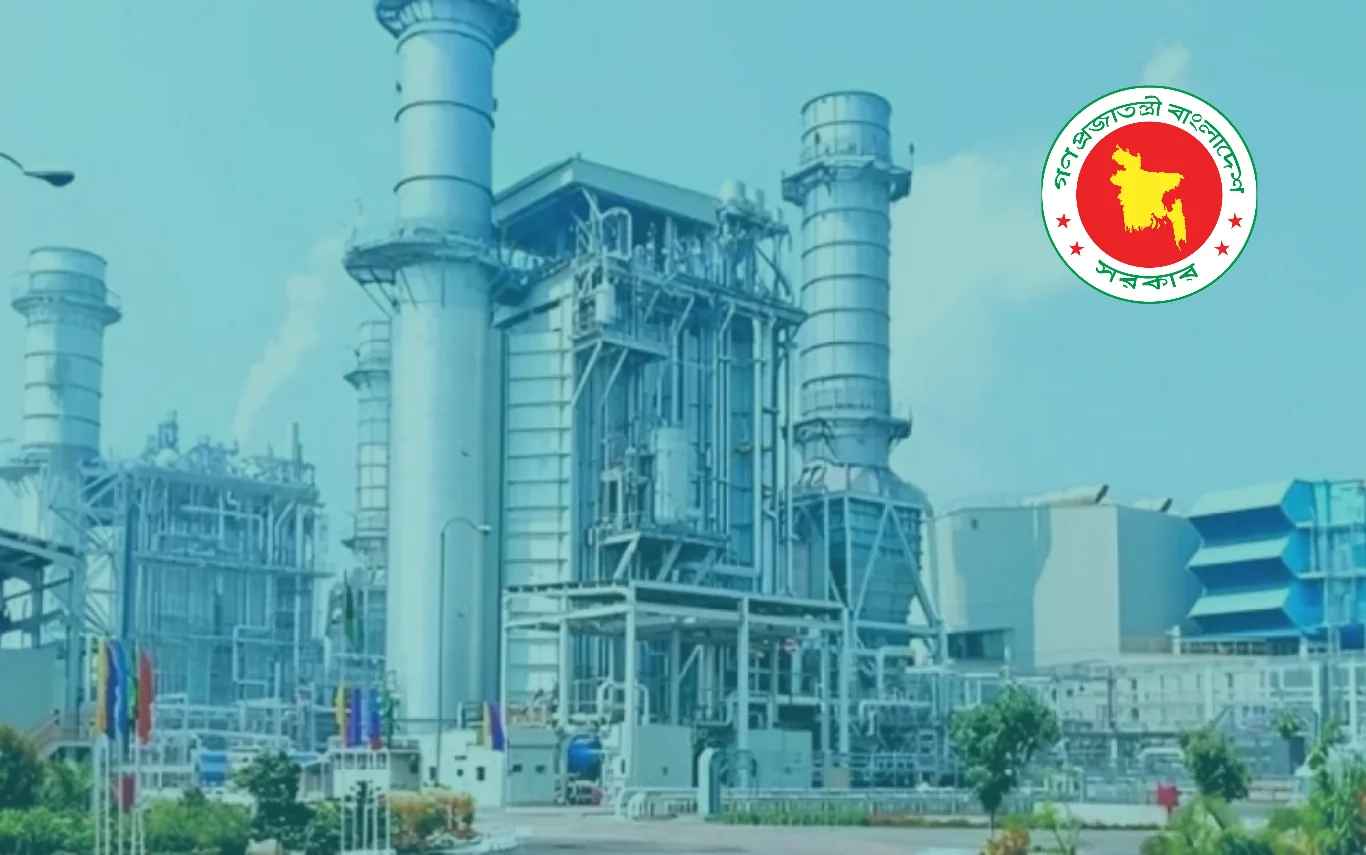
The government has decided to set up three new fertiliser factories to raise domestic production capacity, cut import dependence, ensure a steadier supply for agriculture, and generate employment.
The Bangladesh Chemical Industries Corporation (BCIC) will implement the projects:
- A urea factory in Bhola with a daily capacity of 1,700 metric tonnes.
- A triple superphosphate (TSP) factory in Chattogram with an annual capacity of 400,000 metric tonnes.
- A urea formaldehyde-85 (UF-85) factory in Palash, Narsingdi, with an annual capacity of 24,000 metric tonnes.
BCIC aims to lift total fertiliser output to 2.7 million metric tonnes within the next three to five years. The corporation currently runs seven factories—five producing urea and two producing non-urea fertilisers.
In the 2025-26 fiscal year, national demand stands at 2.6 million metric tonnes of urea, 750,000 metric tonnes of TSP, and 1.485 million metric tonnes of diammonium phosphate (DAP). BCIC plants produced only 68,259 metric tonnes of TSP (9.10% of demand) and 82,142 metric tonnes of DAP (5.53% of demand), leaving the bulk of requirements to be met through imports.
The government currently provides subsidies of Tk 23,000 per metric tonne of urea, Tk 49,170 per metric tonne of TSP, and Tk 98,840 per metric tonne of DAP. Officials say the new factories, together with the modernisation and capacity expansion of existing plants, are intended to address these gaps.
Bhola urea plant
The proposed Bhola factory is designed to produce 1,700 metric tonnes of urea a day. Once operational, it is expected to require 45–50 million cubic feet of gas daily, making reliable gas supply a key precondition for the project.
BCIC Chairman Md Babul Mia told BSS that raising domestic urea capacity is essential to meet national demand. “Construction of the proposed factory in Bhola, if implemented, will play an important role in increasing production capacity,” he said, while stressing the need for adequate gas, technical readiness, financing, and necessary approvals.
Chattogram TSP plant
A new TSP factory with an annual capacity of 400,000 metric tonnes is planned on unused land at the TSPCL Complex in North Patenga, Chattogram. Existing production at the TSP Complex has been hampered by raw-material shortages and plant problems; the new unit is intended to substantially expand domestic TSP output.
“A plan has been taken to establish a new factory to increase domestic production of TSP fertiliser,” Babul Mia said. “Necessary preparations are being advanced after reviewing the technical and economic aspects. If implemented, the project will increase TSP production capacity and enhance the contribution of domestic production to the country’s fertiliser supply.”
Palash UF-85 plant
The UF-85 factory, with an annual capacity of 24,000 metric tonnes, is proposed on unused land at Ghorashal-Polash Fertilizer PLC in Palash, Narsingdi. The project would utilise existing industrial infrastructure and vacant land.
Babul Mia noted that unused land at current industrial sites offers scope for new facilities. “In the case of the proposed UF-85 factory in Palash, further activities need to be taken forward considering production technology, market demand and economic feasibility,” he said. “If implemented, the project will create an opportunity to increase production capacity in the relevant industrial sector.”
Employment and broader impact
The three projects are expected to generate jobs during construction and once production begins, including roles for engineers, technologists, skilled workers, and management staff, as well as indirect employment in transport, supply, maintenance, and related services. Local economic activity in Bhola, Chattogram, and Narsingdi is also likely to expand.
Babul Mia said the number of jobs can be finalised only after project design, technology, and manpower structures are settled. “We want to give importance not only to increasing production capacity but also to developing skilled manpower in the industrial sector,” he added.
Source: Bangladesh Sangbad Sangstha (BSS), 6 November 2026.