


A new human rights report documents a sharp rise in violent incidents linked to accusations of “hurting religious sentiments” or religious defamation (blasphemy) in Bangladesh throughout 2025.
Spectrum Rights Observatory’s Persecution over Blasphemy Allegations in Bangladesh: A Human Rights Report 2025 records 28 selected cases drawn from national media, while noting that the true total is likely substantially higher due to underreporting driven by fear of retaliation.
The report describes a recurring pattern: allegations—often originating from Facebook posts, comments, old statements, or even likes—spread rapidly online, triggering public outrage, threats, protests, and mob attacks. Police responses were frequently delayed. In more than three-quarters of the documented cases, authorities arrested the accused (the alleged “blasphemer”) rather than the instigators of the violence. Roughly 57 percent of the incidents involved physical assaults, mob attacks, arson, or lynching before law enforcement intervened.
Disproportionate impact on minorities and vulnerable groups
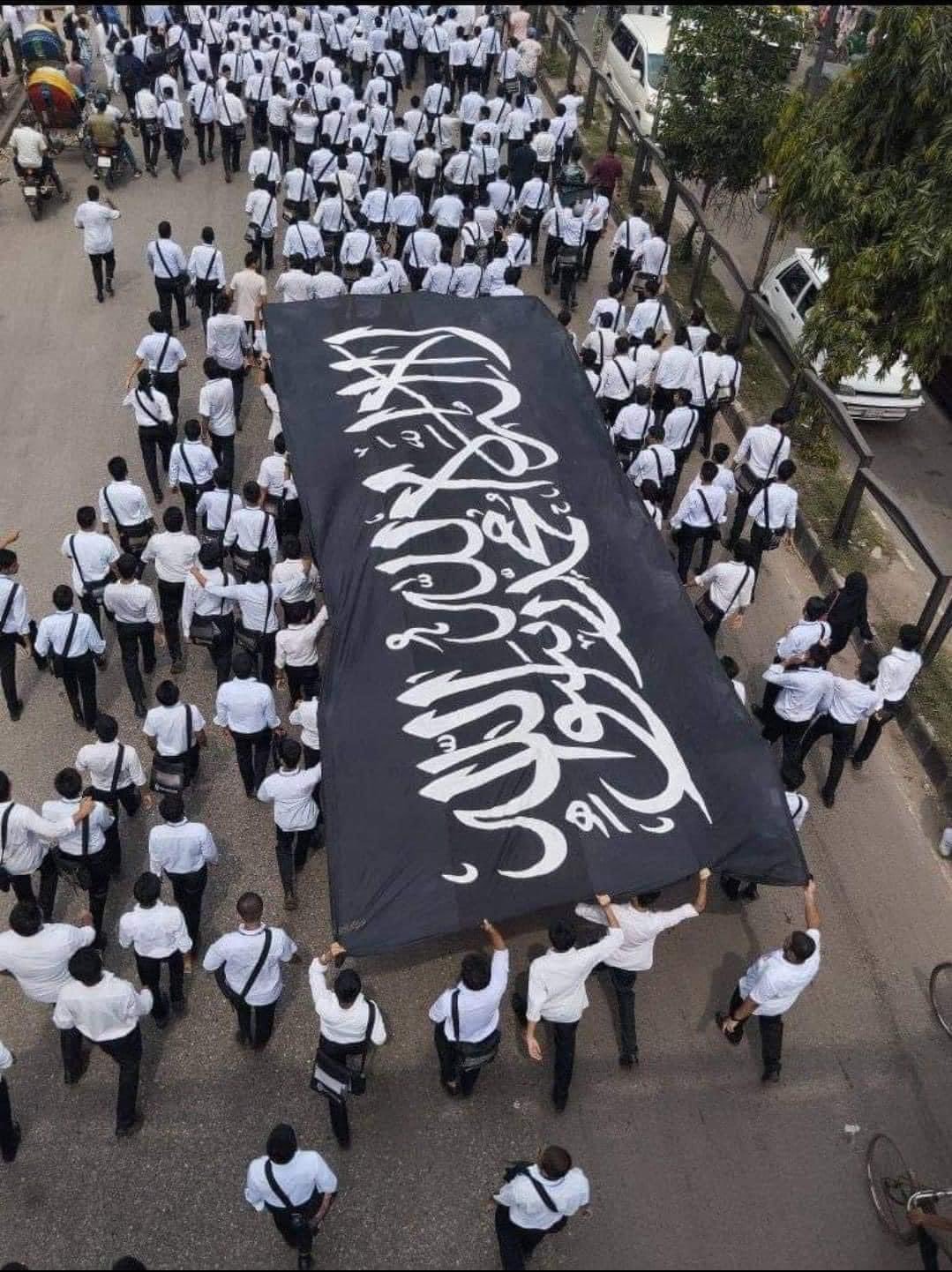
The violence hit religious minorities (especially Hindus), students, Baul singers, and Sufi shrines particularly hard. Mobs besieged police stations, vandalized homes and properties, and in some cases demanded that authorities hand over the accused. Digital spaces effectively became sites of extrajudicial “trials,” with vigilante groups (sometimes described as “Touhidi Janata”) mobilizing crowds. The report links the escalation to a broader climate of normalized “mobocracy” that intensified after the political changes of August 2024.
Selected documented cases
- January: Pranta Talukdar (Chattogram) was abducted and assaulted by a mob over alleged Facebook remarks; police later arrested him while he was still injured.
- June: Shakil Ahmed (Manikganj) died by suicide after sustained threats over an old online comment. In other June cases, Hindu men faced mob attacks and arrests over social-media activity, followed by home vandalism and looting.
- August: Russel Molla was killed during a mob attack on a shrine; his body was later exhumed and burned.
- December: Dipu Chandra Das (Mymensingh) was lynched and his body set on fire over a blasphemy allegation; subsequent investigation reportedly found no supporting evidence. The killing drew international attention.
Other incidents involved arrests of poets and writers, expulsions of students, attacks on shrines and Hindu homes, and the detention of individuals with mental-health issues after false or exaggerated claims.
Legal and systemic concerns
The report argues that vague provisions in cyber and criminal laws—especially those criminalizing content that “hurts religious sentiments”—are being misused. These practices, it says, conflict with Bangladesh’s obligations under the International Covenant on Civil and Political Rights and the Universal Declaration of Human Rights. Accountability for mob organizers remained low, while victims and the accused faced swift arrest, social ostracism, or worse.
Spectrum Rights Observatory concludes that blasphemy allegations have become a lethal tool of social control, eroding Bangladesh’s secular pluralist traditions. It recommends an overhaul of the relevant legal provisions, a zero-tolerance policy toward vigilantism (with priority on protecting targets and prosecuting instigators), and stronger safeguards for minorities and free expression. Failure to act, the authors warn, risks deeper social fracture.
The full report is available as a PDF on the Spectrum Rights Observatory website. Independent monitoring by other minority-rights groups has reported related patterns of blasphemy-related incidents and arrests targeting minorities during the same period, though exact totals vary by methodology.
See the full report here.