


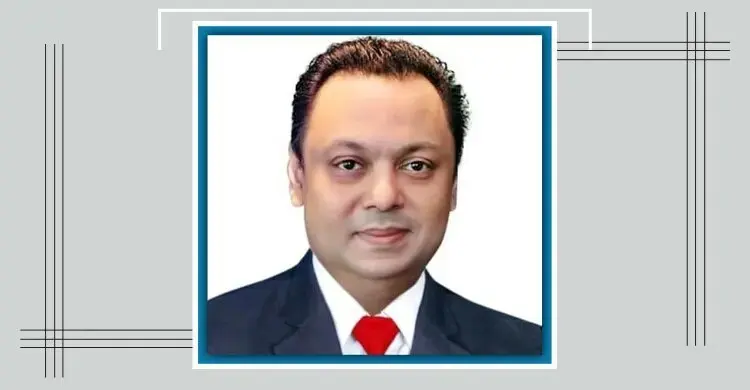
A Dhaka court has ordered the imprisonment of Shawkat Aziz Russell, President of the Bangladesh Textile Mills Association (BTMA) and Chairman of Amber Group, after rejecting his bail application in a long-running corruption case involving irregular plot allocations in the Purbachal Residential Project.
On Sunday (November 1), Russell, son of late Partex Group founder and former BNP lawmaker M.A. Hashem, surrendered before Judge Mohammad Abdus Salam of Dhaka Special Judge Court-9. He sought bail pending an appeal against his earlier conviction. The court rejected the plea and ordered him sent to jail.
ACC prosecutor Khandaker Shamim Hossain confirmed the development, noting that Russell’s lawyers had requested bail on condition of filing an appeal against the verdict.
On October 13, the same court had sentenced Russell, his brother Ashfaq Aziz Rubel (Managing Director of Partex Group), former RAJUK Chairman Iqbal Uddin Chowdhury, and five other former RAJUK officials to 14 years’ rigorous imprisonment each. The sentences comprised seven years under Section 5(2) of the Prevention of Corruption Act, 1947, and seven years under Section 409 of the Penal Code, along with fines. The court also ordered the cancellation of the plot allotments. The convicts were absent when the verdict was delivered, prompting the issuance of conviction and arrest warrants.
The case, filed by the Anti-Corruption Commission in 2017, relates to alleged irregularities in the allocation of two 10-katha plots in Purbachal to Russell and Rubel between 2001 and 2004, a period when their father was a sitting BNP Member of Parliament. Prosecutors alleged that RAJUK officials abused their authority by allotting the plots while bypassing eligible applicants.
Russell is a prominent figure in Bangladesh’s textile sector. As BTMA President, he has frequently spoken publicly about challenges facing the industry, including gas and power shortages, the impact of policy decisions on factories, and broader economic pressures after the political transition of August 5. He has participated in meetings with government leaders, including the President and the Prime Minister, highlighting the textile sector’s contribution to the economy and calling for timely interventions to prevent factory closures and job losses.
Public and Netizen Reactions
The jailing has sparked discussion online and in political circles. Some netizens and commentators, particularly those sympathetic to BNP-aligned business voices, have framed the development as politically motivated.
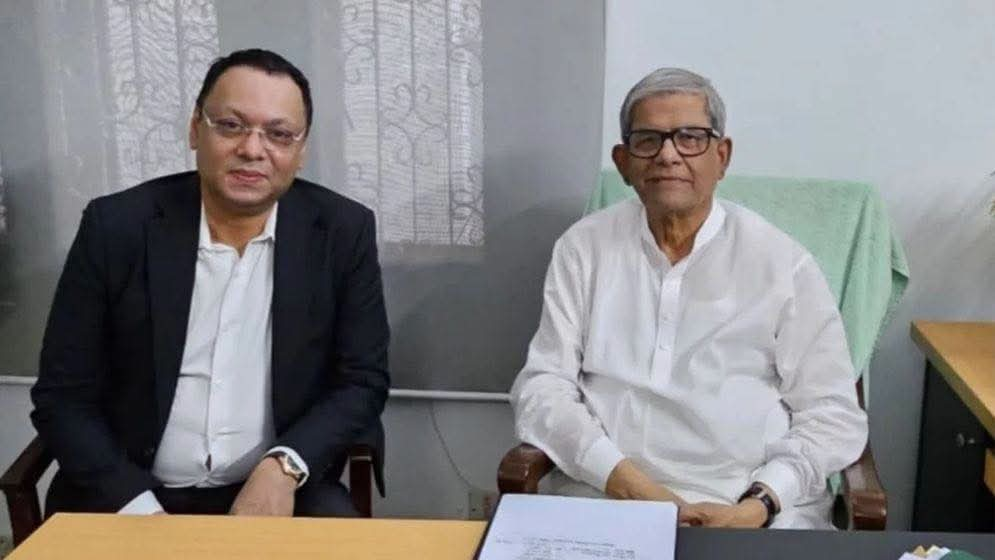
They argue that Russell, as a leading businessman with BNP connections, began speaking candidly in talk shows, seminars, and industry forums about the fragile state of business and the economy after the fall of the previous government. These voices contend that his warnings about industrial stagnation and economic distress were straightforward and timely for a business leader, yet the current administration under Tarique Rahman allegedly found them intolerable.
Critics in this camp claim the government does not want the public to openly discuss the real economic situation. They describe Russell’s imprisonment as a clear warning to others who previously criticized the Awami League government in public forums: “Speak out and you go to jail.” The message, according to this view, is that free expression on the economy is now risky regardless of which party is in power.