


While the whole country is slandering the government for police excesses to quell the RMG worker protests, some ministers and PM’s advisors are advocating for stricter actions, including the use of lethal weapons.
The government is also blaming the opposition Jamaat-e-Islami and the Awami League (activities banned) for instigating and participating in the movement.
Police have responded with baton charges, tear gas, sound grenades, and water cannons. Dozens of people (workers and police) have been reported injured across the protests; hundreds have been named in cases, with multiple arrests. Border Guard Bangladesh (BGB) platoons have been deployed in Gazipur and nearby areas to restore order.
The Home Minister and other officials have warned of stern legal action against violence, property damage, and attempts to destabilise the sector, while the government has announced steps such as a board to review the minimum wage.
Human rights groups, including JusticeMakers Bangladesh in France (JMBF), have condemned alleged police torture, excessive force (baton charges, tear gas, sound grenades), and arbitrary arrests targeting RMG workers (including women) and others during protests in Gazipur, Ashulia, and Mirpur. They have called for independent investigations, accountability, and the release of detained workers.
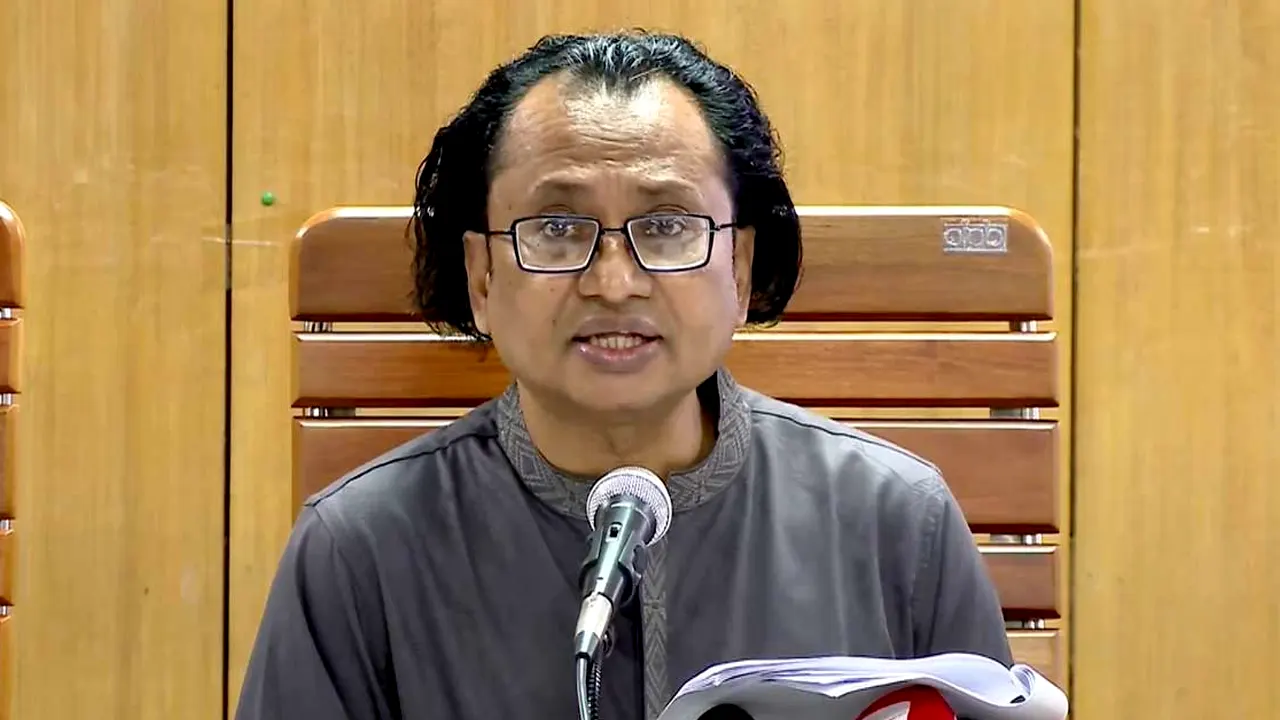
On the use of force, Prime Minister’s Adviser (Information and Broadcasting) Dr. Zahed Ur Rahman stated that police have the legal authority to use lethal arms—including shooting someone dead—under certain circumstances in self-defence, provided they follow due legal procedures and use proportionate force.
He emphasised handling situations with minimal casualties and distinguished the current approach from past excessive force. The remarks have drawn public and media attention and debate amid the RMG unrest.