


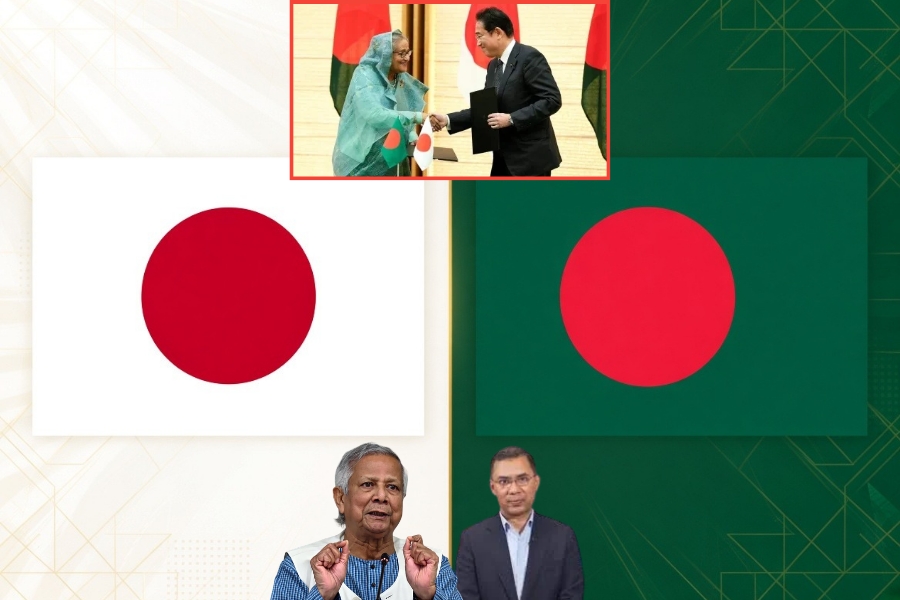
Fresh diplomatic embarrassment has hit Bangladesh’s newly elected government under Prime Minister Tarique Rahman during and after his recent four-day state visit to Japan (26–29 October 2026), echoing earlier criticisms of the previous interim administration led by Muhammad Yunus.
A widely shared Facebook post by Farid Ahmed questioned State Minister for Foreign Affairs Humayun Kobir’s explanation for why Prime Minister Tarique Rahman did not meet Japanese Emperor Naruhito. When asked why the Prime Minister skipped a meeting with the Emperor, the minister reportedly replied that the Emperor is a non-political figure who does not meet political leaders.
Critics immediately pointed out that this does not match established protocol. During her 2023 visit to Japan, then-Prime Minister Sheikh Hasina met Emperor Naruhito. Photographs and contemporary media reports from that trip show the meeting clearly. Heads of government and state from many countries routinely receive hospitality from the Japanese Emperor during official visits.
The post, which included a photo of Hasina with the Emperor, framed the minister’s statement as another untruth, coming right after claims about a large-scale worker recruitment deal with Japan were publicly rejected by Tokyo.
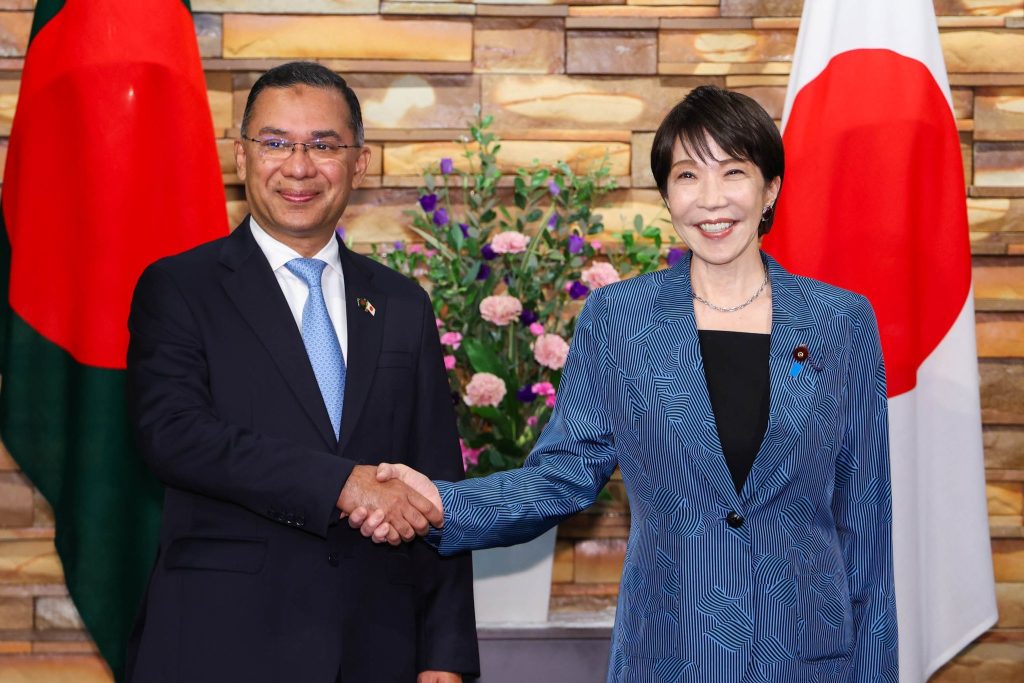
That earlier claim also generated significant embarrassment. Multiple Bangladeshi media outlets and social media posts reported that Japan had agreed to recruit 100,000 Bangladeshi workers annually following the summit between Tarique Rahman and Japanese Prime Minister Sanae Takaichi. Japan’s Ministry of Foreign Affairs Press Secretary Toshihiro Kitamura quickly denied the reports.
In a statement on X on 29 October, he said no such agreement or commitment existed, including in the discussions during the 27 October summit. Official joint documents spoke of potential Japanese private investment of up to 1 trillion yen over five years that could create around 200,000 jobs inside Bangladesh, along with cooperation frameworks on skills development, but contained no annual quota of 100,000 workers moving to Japan. Japanese authorities stressed that recruitment follows language tests, technical certification, and employer demand rather than fixed country quotas.
The figure appears to have been misrepresented from earlier business-level discussions (dating to 2025 under the previous Japanese government) and existing memoranda on skills development.
The episode has drawn parallels to the Yunus-led interim government’s handling of Japan-related matters. A report on Daily Republic highlighted how BIDA Executive Chairman Ashik Chowdhury promoted a “historic” Bangladesh-Japan Economic Partnership Agreement (EPA) as an achievement of the Yunus administration. Journalists and critics noted that the EPA built directly on the Strategic Partnership elevated during Sheikh Hasina’s April 2023 summit with then-Prime Minister Fumio Kishida, when a joint study group was formed and multiple agreements on agriculture, ICT, industrial upgrading, and other areas were signed. Major Japanese-funded projects, including the metro rail, Matarbari power plant, airport expansion, and deep-sea port initiatives under the BIG-B framework, also originated in that earlier period. Sheikh Hasina, speaking from exile, had previously accused Yunus of “begging” during his Japan visit while claiming credit for projects planned and financed under her government. Viral footage from Yunus’s May 2025 trip was also widely mocked for appearing unsteady and disoriented during ceremonial events.
Tarique Rahman’s Japan visit itself produced tangible outcomes: a bilateral summit with Prime Minister Takaichi, meetings with former Prime Minister Taro Aso and business leaders, six cooperation instruments, and yen-loan pledges of roughly 46.56 billion yen (about $295 million). Discussions covered investment, energy, technology, infrastructure, and the Rohingya issue. Government statements emphasised renewing ties after what they described as a trust deficit under the previous Hasina era and seeking greater Japanese private investment.
However, the public denials from Tokyo on the worker numbers and the questions over the Emperor meeting have fuelled domestic criticism that official messaging around the visit has been inaccurate or overstated. For many observers, the pattern — whether under the interim Yunus government or the elected Tarique Rahman administration — raises questions about how carefully Bangladesh presents its diplomatic engagements with a key development partner like Japan.