


The government has announced that a new minimum wage board for ready-made garment (RMG) workers will be formed on Sunday, November 1, following widespread protests in industrial areas of Dhaka and Gazipur demanding a sharp rise in wages.
Labour and Employment Minister Ariful Haque Chowdhury made the announcement on Saturday after a meeting with representatives of the Bangladesh Garment Manufacturers and Exporters Association (BGMEA) and the Bangladesh Knitwear Manufacturers and Exporters Association (BKMEA) at the Labour Building in Dhaka.
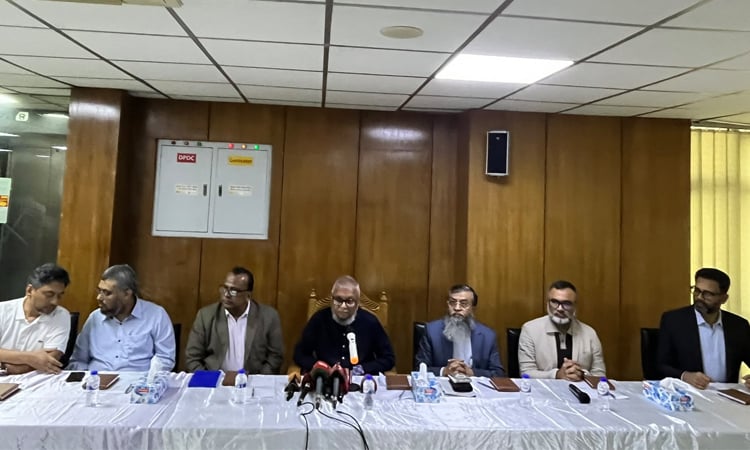
He said the decision followed roughly five hours of talks with labour leaders the previous day. Both owners’ associations have agreed to the formation of the board, and nominations for worker representatives have been received. A gazette notification will be issued to formalise the board.
“There is no reason for workers to continue the movement now,” the minister said, urging garment workers to return to their factories.
He warned that factory closures and disruptions would hurt production, delay shipments to buyers, and ultimately make it harder for owners to pay wages. Discussions also covered clearing outstanding wages, with a focus on ensuring payments by the 7th of each month.
Chowdhury alleged that outsiders were trying to provoke workers and damage the industry.
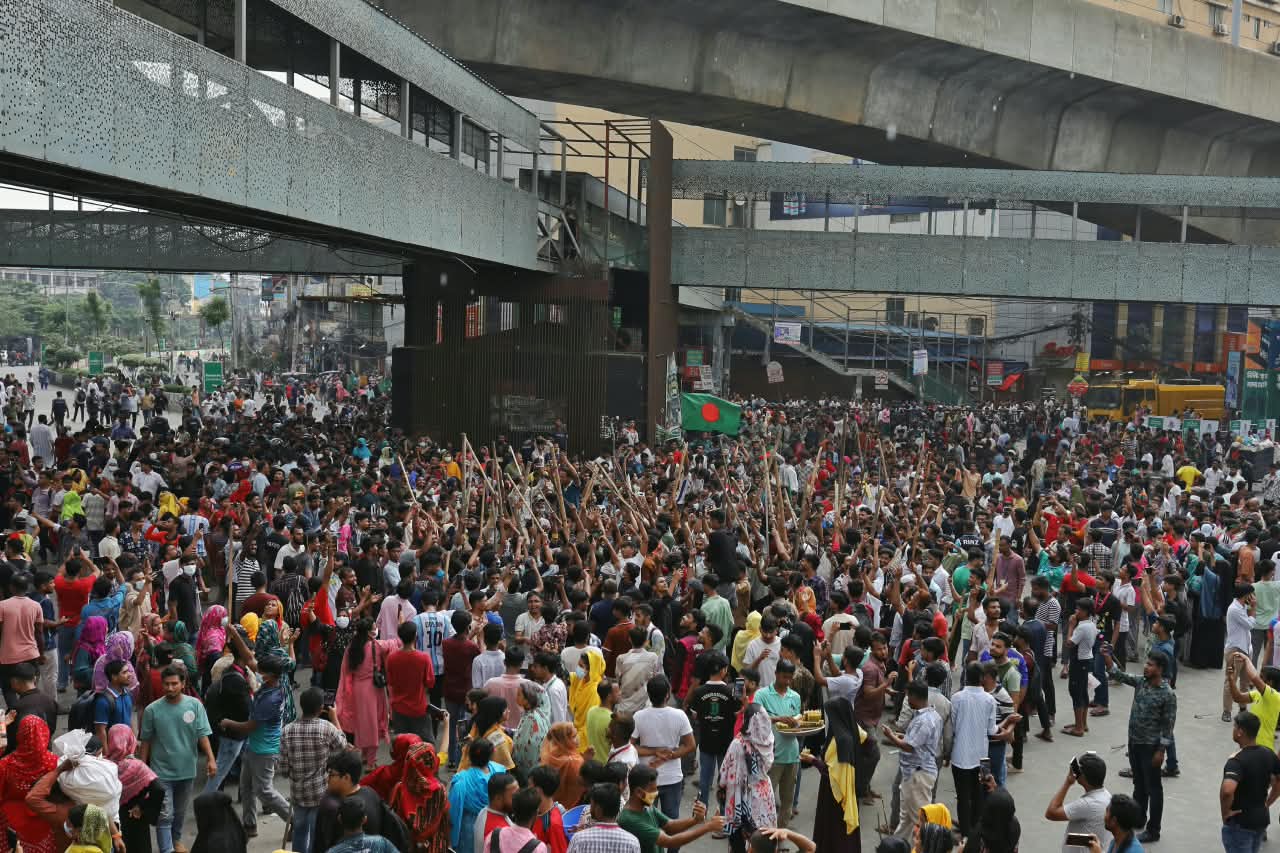
The announcement comes as RMG workers staged protests on Saturday across several areas, pressing for a minimum monthly wage of Tk 30,000. The current minimum stands at Tk 12,500, fixed in 2023.
In Mirpur, workers blocked roads from around 10:45 a.m., including at Mirpur 10 intersection. Traffic was disrupted for several hours before partially normalising after about four hours, though blockades continued in some spots such as Mirpur 11.5 and Kalshi Road. Police described the protests as largely peaceful. Workers cited high living costs, with one long-time garment employee saying her take-home pay of Tk 18,000–20,000 (including overtime) was insufficient after house rent and other expenses.
In Gazipur’s Kaliakair (Chandra area), workers blocked the Dhaka-Tangail highway in the afternoon, creating a roughly two-kilometre traffic jam. Factories in the vicinity declared holidays as more workers joined the protest demanding higher wages and allowances.
In Ashulia, unrest led to holidays being declared at least 30 garment factories around Kathgara and nearby areas. Protests began with a work stoppage at one factory before workers moved outside; police reported brick-throwing that injured one officer, and three cocktail-like objects were recovered near a factory. Industrial police said the situation remained tense as they tried to persuade workers to disperse.
Labour leaders have long pressed for a new wage board, noting that the amended labour law requires wage reviews every three years. Earlier this week, the minister had said the gazette would be issued within two days of receiving workers’ nominations, after employers had already submitted theirs. Labour representatives had expressed hope that the process would be completed within October.
The government and industry associations have emphasised that the formation of the board addresses one of the workers’ core demands and called on all sides to act responsibly to maintain stability in the vital export sector.