


Transparency International Bangladesh (TIB) has revealed serious deficiencies in the internal rules, democratic practices, and governance of political parties in Bangladesh, including widespread nomination trading (bribery for party tickets).
The findings come from a research report titled “Institutional Governance of Political Parties in Bangladesh” (or “Institutional Good Governance in Political Parties in Bangladesh”), unveiled at a press conference at TIB’s office in Dhanmondi on Sunday.
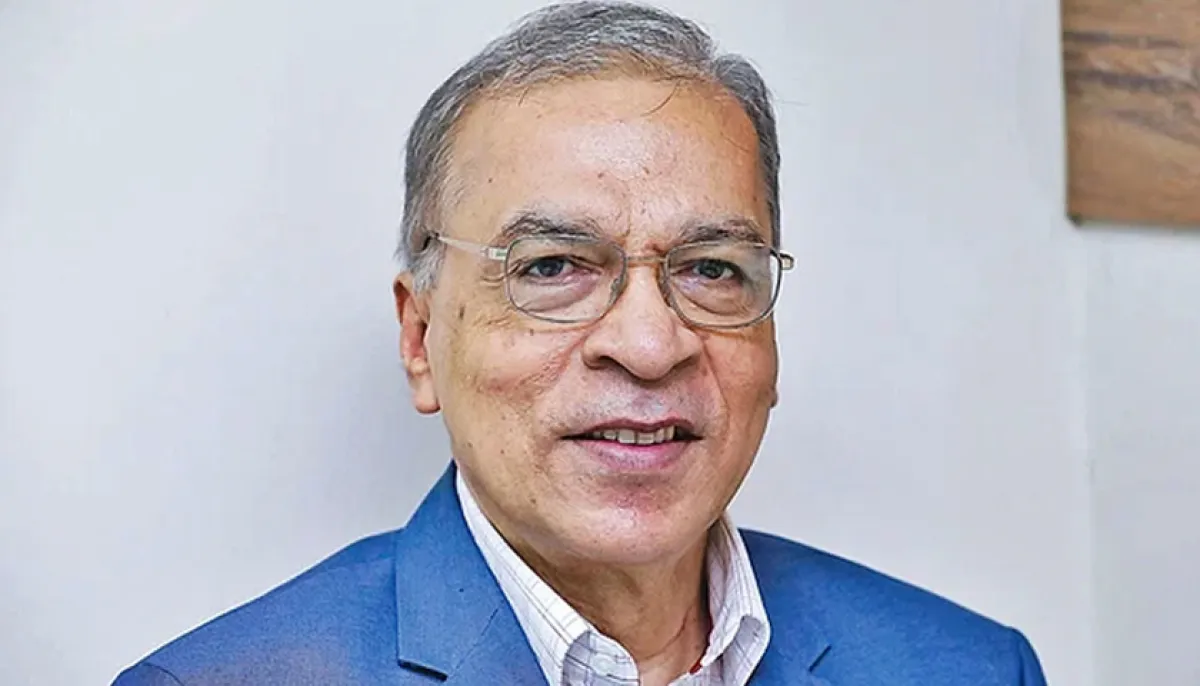
TIB Executive Director Dr. Iftekharuzzaman presented the observations. The study examined 32 of the 42 parties contacted (including registered and unregistered ones).
Key Findings
- TIB received clear information on nominations trading (selling party nominations for money) in the country’s major and influential parties, particularly the Bangladesh Nationalist Party (BNP), Jatiya Party, and Bangladesh Awami League. Although parties publicly deny it, field-level leaders themselves provided details of the practice during discussions.
- In some constituencies, candidates reportedly spend up to Tk 50 crore (approximately USD 4.2 million at typical rates) just to secure a party nomination and contest a seat.
- Parties submit only modest income-expenditure accounts to the Election Commission (often Tk 20–25 crore annually for an entire party), while individual candidates spend crores. TIB says this huge gap enables informal, under-the-table, and illegal financing.
- Most party constitutions lack clear, well-defined rules on candidate eligibility, integrity standards, or disqualification criteria. Only about six parties mention qualifications such as popularity, honesty, or loyalty—and even those are not properly defined. The earlier legal requirement of three years of active membership for candidates was removed and remains so.
- Constitutions of many parties (including some on the banned Awami League side and others) show family-centric or individual-centric leadership structures. At least 10 parties have top leadership determined by family inheritance. In 12 parties, the chief has been in position for 10 years or more (five for 10–20 years; seven for over 20 years). The Awami League chief had held the post for 45 years and the BNP chief for 41 years (with a recent change in the BNP).
Internal Democracy and Other Anomalies
- Severe crisis in internal democratic practice: Decision-making is highly personalised and family-centred; grassroots opinions are largely ignored. District, upazila, and ward committees mainly implement central decisions and handle election campaigns rather than participate in policy.
- One major party (identified as the BNP) has not held a national council for more than 10 years. Of the parties studied, 16 did not hold national conferences regularly. This blocks leadership renewal, accountability, and opportunities for ordinary/dedicated workers.
- Weak financial transparency and accountability: Informal, individual-based fund management dominates. Huge gaps exist between formally reported figures and actual activities. Parties often seek people with money and muscle power to cover organisational costs, establish dominance, and control polling centres.
- Inadequate rules to prevent people with criminal backgrounds from joining or rising in parties. Between 18% and 32% of candidates in the last five national elections faced criminal cases. Allegations of extortion, smuggling, arms/drug trading, etc., involving leaders/activists often receive little or no effective disciplinary action.
- Political violence remains high: At least 746 people killed and 46,351 injured in 4,280 incidents of political violence from January 2013 to August 2026 (involving mainly AL and BNP activists, with some involvement by others). Both inter-party clashes and internal factional fights contribute significantly. Money, muscle power, and political criminalisation fuel internal conflicts, turning party affiliation into power-driven business ventures.
- Women’s participation remains largely symbolic. Many party websites are inactive or non-existent.
Dr. Iftekharuzzaman noted that while parties have contributed to the country’s history, democracy cannot function properly unless parties ensure good governance internally. Existing laws fall short of international standards on internal democracy, transparency, and accountability in political financing; parties often disregard the Constitution, laws, and their own constitutions (complying only formally in some cases). The registration process is also inconsistent with good practices and overly restrictive in places.
The report calls for stronger legal frameworks, regular councils, transparent candidate selection, better financial disclosure and audits, effective disciplinary mechanisms, and broader reforms so parties are not controlled solely by a handful of top leaders.