


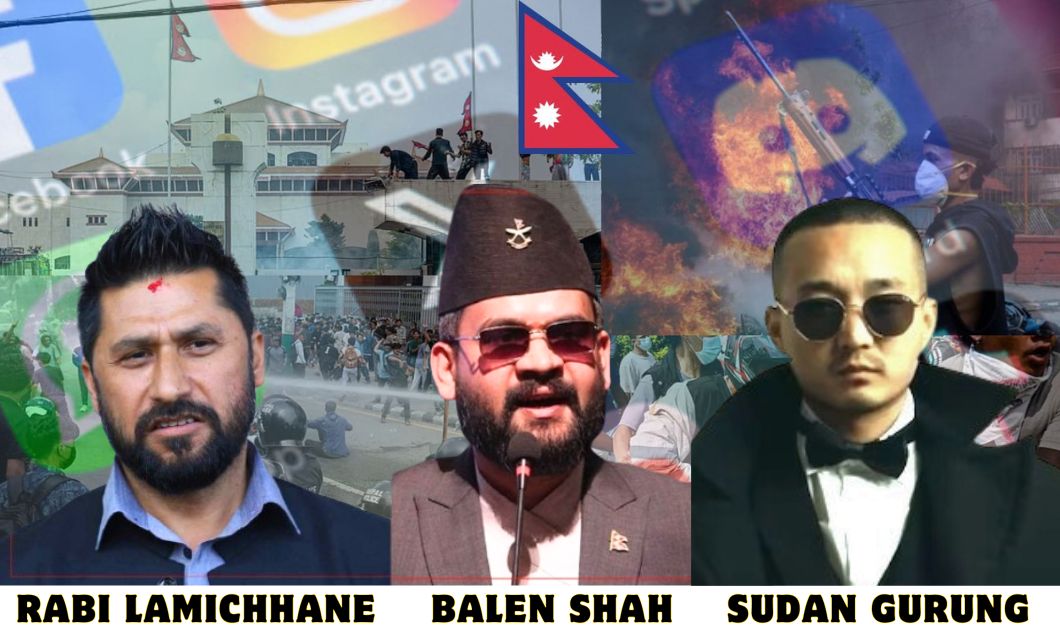
Contrary to universal principles of press freedom and Nepal’s Constitution, Prime Minister Balendra Shah’s secretariat sent police a list of 28 journalists with instructions to arrest them, sources have revealed.
The secretariat compiled a long list of journalists who had reported on government and police shortcomings. It then shortlisted seven names and ordered that they be picked up “on the spot,” regardless of their location or circumstances. Police acted on the order on Friday, arresting three journalists. Attempts to detain others, including staff of Naya Patrika, were unsuccessful.
According to sources, the plan involved seizing the journalists’ devices to identify the sources of their stories. This runs against Article 19 of Nepal’s 2015 Constitution, which protects the right to communication and prohibits the seizure of media materials and content. The Right to Information Act, 2007, also recognizes the professional right of journalists to keep news sources confidential.
The Prime Minister’s secretariat denied any prior knowledge and issued a statement on Friday. Press advisor Deepa Dahal stated that the Prime Minister, his secretariat, and the Office of the Prime Minister and Council of Ministers had no involvement in the arrests and had received no advance information. She said that once the Prime Minister learned of the incident, he directed the relevant agencies to release the journalists immediately and not to enter newsrooms to detain them.
Sources, however, claim the secretariat provided police with the list early Friday morning. Of the 28 names, seven were selected for arrest after discussion. Police detained Vishwamani Subedi of Nepal Press, Dhiraj Basnet of DNA Khabar, and Shubhraj Baral of Motivate News. They also raided the offices of Naya Patrika and Diyo Post. Amid widespread opposition, police halted further arrests and released the three journalists within a few hours. During questioning, police asked them about their news sources.
Police spokesperson Abhinayaran Kafle later issued a statement via a WhatsApp group saying the Cyber Bureau had summoned some journalists for routine inquiry after the Prime Minister’s Office raised concerns about continuous negative reporting on social media and in the press that could undermine police professionalism, public trust, and the relationship between the government and the police.
Plainclothes police entered media newsrooms without authorization. The actions drew strong criticism from journalists, lawyers, and opposition parties. The ruling Rastriya Swatantra Party (RSP) also issued a statement calling the actions wrong and demanding action against those responsible. Journalists, led by the Federation of Nepali Journalists, held a protest at Maitighar on Saturday morning.
The episode followed Naya Patrika’s publication of a WhatsApp chat between Supreme Court Judge Hari Prasad Phuyal and middleman Inam Sapkota. Police were sent to the newspaper’s office in connection with that story.