


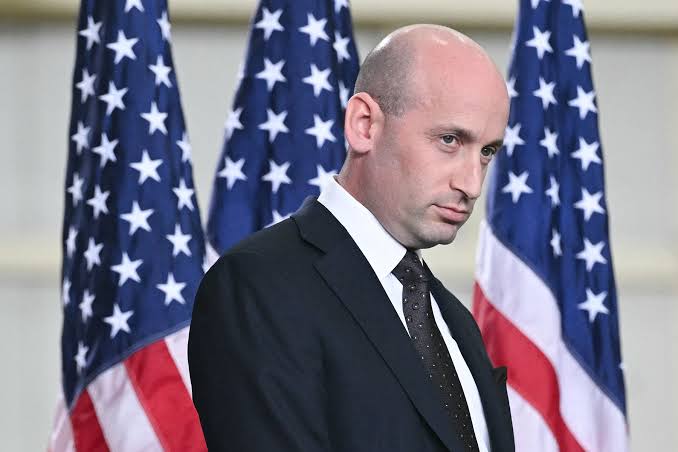
President Donald Trump on Friday named longtime adviser Stephen Miller as his new White House chief of staff, replacing Susie Wiles, and indicated the move is only the start of a wider personnel and policy overhaul as Republicans confront the loss of both chambers of Congress.
In a Truth Social post, Trump called Miller “one of my most trusted advisors” and said he would begin the role on Monday. He praised Wiles for doing “an outstanding job” and said she would move to his political operation.
Wiles, the first woman to hold the post, confirmed Friday as her last day and said serving Trump had been “the honor of a lifetime.” Miller responded that he was “honored beyond words” and pledged “total devotion” to the president and the mission of defending the country.
The change follows Republicans’ decisive midterm losses on Tuesday, which handed Democrats control of the House and Senate and set the stage for investigations and legislative gridlock. Trump told reporters he “wanted to make a change” and that “sometimes in life, you have to make moves.” He also told CBS News he loves his Cabinet but expects to make “maybe a few changes,” without naming names. Allies and officials have interpreted the Miller appointment as a clear signal that the administration will not moderate its approach.
Additional Staff Moves and Cabinet Adjustments
Sources familiar with internal discussions say the White House is preparing further changes in the coming weeks. Trump has privately discussed potential shifts involving national security and economic roles, with an emphasis on officials viewed as more aggressive on enforcement and less focused on traditional interagency consensus. One aide described the goal as installing a team that will “fight with all of our soul” rather than seek accommodation with the incoming Democratic majorities. Speculation has centered on possible adjustments at the Department of Homeland Security and related agencies to accelerate operational priorities, though no formal announcements have been made beyond the chief of staff transition.
New Plans Emphasizing Executive Action
With Miller—architect of the administration’s hardline immigration crackdown—now in the top staff role, the White House is expected to double down on expansive use of presidential authority. Plans under discussion include:
- Accelerated deportation operations and expanded interior enforcement, including continued efforts to reduce unauthorized presence and prioritize removals.
- A package of executive orders on border security, sanctuary jurisdiction funding restrictions, and workplace enforcement that do not require new legislation.
- Renewed focus on using existing statutory tools for tariffs, housing costs, and federal spending adjustments to advance the domestic agenda without congressional approval.
- A more confrontational posture toward expected Democratic oversight, with emphasis on defending prior executive actions and limiting the scope of investigations through legal and administrative means.
White House officials have said the Miller appointment “signals that Trump has no intention of rethinking his policies and instead is rewarding his most loyal aides.” One official summarized the strategy as “He’s not changing course.” Miller’s prior work coordinating across agencies on immigration and domestic policy is expected to expand, with daily operational calls and tighter message discipline as priorities for the final two years of the term.
Miller, 41, has served throughout Trump’s first and second terms and wielded significant influence as deputy chief of staff for policy. His elevation is widely viewed by both allies and critics as confirmation that immigration, national sovereignty, and executive power will remain central, even after voters delivered a rebuke at the polls. Democrats have already signaled they will resist the approach “every step of the way.”
The transition takes effect Monday as the administration prepares for divided government and the political fights that will define the remainder of Trump’s presidency.