


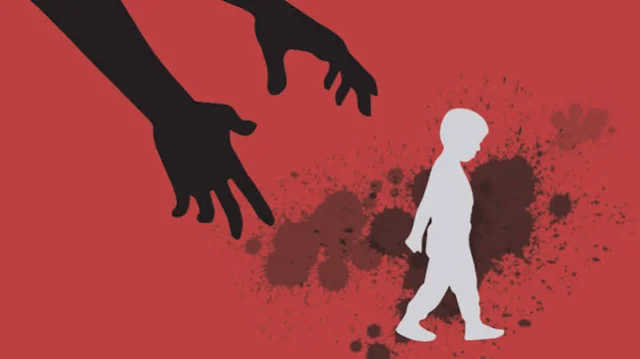
Sexual abuse of children in Bangladesh is emerging as a deeply troubling crisis, with reports pointing to widespread abuse in madrasas, homes and communities, alongside serious gaps in legal protection, victim support and institutional accountability. Data from human rights organisations and government services show that children make up a significant proportion of sexual violence victims, yet many survivors continue to face barriers to justice, medical treatment and psychological care.
According to human rights organisation Justice Makers Bangladesh in France (JMBF), at least 109 children were sexually abused in 72 incidents at madrasas across Bangladesh during the first nine months of 2026. The organisation also documented at least 131 cases of rape and attempted rape involving boys nationwide between January and September. Of the 171 victims recorded in these cases, 161 were raped and 10 were subjected to attempted rape. A substantial proportion of the reported incidents occurred on madrasa premises.
The figures highlight a disturbing contradiction: institutions where parents send children in the hope of providing moral education and a safe environment can become places where those children face abuse. Despite the filing of cases in some incidents, legal proceedings often make little progress, while weaknesses in evidence collection and a lack of clear procedural guidelines complicate efforts to secure convictions.
One case that illustrates these concerns is the death of 10-year-old Abdullah, whose body was recovered hanging at a madrasa in the capital’s Banasree area in May. His mother filed a case alleging sexual abuse and incitement to suicide. A senior student at the same madrasa was arrested, but nearly seven months later, there had been no visible progress in the trial proceedings.
Legal experts say the absence of specific standard operating procedures for investigating sexual abuse against boys is a significant obstacle to justice. Supreme Court lawyer Advocate Ishrat Hasan has pointed to gaps in the procedures for conducting medical examinations, collecting and preserving samples, and preparing forensic reports. These shortcomings can undermine the presentation of sensitive medical and DNA evidence in court, making it harder to ensure appropriate punishment for perpetrators.
Social stigma also prevents many cases from being reported. Families may fear public humiliation, leaving children without timely medical treatment, psychological support or access to justice. Rights advocates say the response must go beyond punishment to include prevention, education and stronger safeguarding measures. Advocate Fawzia Karim has called for schools and madrasas to teach children about appropriate and inappropriate touch, improve awareness among parents and teachers, and provide professional counselling so children can report abuse without fear. Experts also stress the need to enforce child protection policies and establish clear systems of internal accountability in educational institutions.
The problem extends far beyond madrasas. Data from government agencies and hospital-based crisis centres indicate that children account for a substantial share of reported sexual violence cases, with very young children particularly vulnerable.
According to figures reported by the Ministry of Women and Children Affairs, 431 victims of sexual violence were recorded between January and June 2026, including 264 children. During the same period in 2025, 269 children and 130 women were reported as victims of sexual harassment or abuse. The figures suggest that children continue to bear a disproportionate burden of sexual violence, with officials and service providers reporting that children account for more than half of victims in recent periods. Many are between three and six years old, and some are allegedly abused by relatives or people known to their families.
At Dhaka Medical College Hospital’s One-Stop Crisis Centre (OCC), a major facility providing assistance to survivors of violence, staff say a significant proportion of those seeking help after sexual abuse are children, many of them very young. The cases reveal the devastating consequences of abuse and the difficulties families face in pursuing both treatment and justice.
In one case, a father brought his 14-year-old daughter, who has an intellectual disability, to the centre on September 3. He alleged that the 18-year-old son of an influential neighbour had raped and seriously injured her. According to the complaint, the girl lost consciousness during the assault, and the alleged perpetrator struck her on the head with a brick, apparently believing she was dead. When she regained consciousness, members of the alleged perpetrator’s family reportedly left her outside the house. Her father is seeking justice alongside medical treatment for his daughter.
In another case, a mother alleged that her five-year-old daughter had been raped by her maternal uncle, who had taken the child out on the pretext of attending a concert. No case had been filed at the time of the report, and the mother was awaiting the results of DNA testing. In a separate case, a girl from a financially disadvantaged family was allegedly raped by a neighbour’s son after her mother, who works as a domestic worker, struggled to provide adequate supervision while managing her livelihood.
These cases underline the vulnerability of children who depend on adults for their safety and the particular risks faced by children with disabilities and those living in poverty or unstable family circumstances.
Dr Taiyeba Sultana, in-charge of the Dhaka Medical College Hospital OCC, told The Daily Ittefaq that the centre had provided services to approximately 325 victims over the previous seven months, while around 450 others had received outpatient services. Some patients needed hospital admission, she said, but their families did not admit them.
Dr Sultana stressed that children who experience sexual abuse need not only medical treatment but also psychosocial counselling for themselves and their parents. Although the centre provides such support, its operations have been disrupted by funding and staffing problems. The OCCs operate under the government’s Multisectoral Programme on Violence Against Women. However, the programme’s extension had not been secured, leaving staff salaries and allowances unpaid since January. Nurses, lawyers, psychologists, cleaners and computer operators have consequently stopped attending regularly, while some have taken jobs elsewhere.
The financial uncertainty extends to other government support services. The country’s One-Stop Crisis Centres and Crisis Cells have provided services to 81,928 people since their establishment, according to the reported figures. Of these, 49,767 received assistance for physical abuse, 31,596 for sexual abuse and 565 for burn injuries. The government has also announced plans to establish OCCs at all public medical college hospitals to provide coordinated services to survivors of violence.
Meanwhile, the government’s Quick Response Team (QRT) initiative, announced on January 17, 2026, was intended to strengthen the response to violence against women and children through the national helpline 109. Under the plan, people contacting the helpline would be able to receive a rapid response from QRT members. However, an unnamed official associated with the helpline told The Daily Ittefaq that staff had been instructed to work with the teams while facing prolonged salary delays.
Mohammad Iftekhar Hossain, joint secretary and project director of the ministry’s new project, said the previous project’s activities had ended and its staff were no longer receiving salaries. He added that a new project had been launched and would operate with newly recruited personnel.
Advocates have questioned why successful support programmes remain dependent on temporary projects instead of being incorporated into the government’s regular budget. Shirin Parveen Haque, head of the Women’s Commission, said the initiative had begun through a joint effort between the governments of Bangladesh and Denmark, with support from the Danish International Development Agency (DANIDA). The ministry had been given 12 years to prepare for the programme’s eventual transfer to the regular government budget.
A memorandum of understanding had also been signed involving 12 ministries to coordinate efforts to prevent violence against women. Under the proposed arrangement, the Ministry of Information would handle public awareness, the Ministry of Education would incorporate relevant issues into the education system, and ministries responsible for law, health and other sectors would work under the leadership of the Ministry of Women and Children Affairs. Haque said this coordination had not been effectively realised.
Dr Fawzia Moslem, president of the Bangladesh Mahila Parishad, described the OCC system as a crucial initiative because it brings medical treatment, legal assistance and counselling together in one place. She warned that continued dependence on temporary projects, coupled with staffing and funding shortages, could severely undermine services and leave survivors bearing the consequences. She also stressed the importance of investigating the disappearance of large numbers of children and determining what happens to them.
The combined evidence points to a crisis that cannot be addressed through criminal prosecution alone. Bangladesh needs stronger child protection systems in educational institutions, clear forensic procedures for investigating abuse, accessible reporting mechanisms, sustained psychosocial care and reliable funding for crisis centres. Families and teachers must be equipped to recognise abuse, while children need safe channels through which they can speak up without fear or shame.
Above all, the responsibility for protecting children cannot rest solely on survivors and their families. Institutions must be held accountable, investigations must be conducted effectively, and support services must remain operational regardless of changes in project funding. Without sustained action, many children will continue to face abuse in silence, while those who seek help risk being failed a second time by the systems meant to protect them.