


Former Bangladesh State Minister for Information and Broadcasting and senior Awami League leader Mohammad A. Arafat has drawn a direct parallel between the recent violent protests and rioting in France and the student-led upheaval that toppled the Sheikh Hasina government in July–August 2024.
In a post published on his YouTube channel “Voice of Professor Arafat,” Arafat described the scenes of widespread destruction in France as “extremely unfortunate” and “heartbreaking.” He noted, however, that the French government was “fortunate” in one key respect: unlike in Bangladesh in 2024, the French protests were not infiltrated by armed jihadist groups.
Arafat, a two-time Member of Parliament from Dhaka-17 and former academic who has lived in self-imposed exile since the fall of the Hasina government, reiterated claims he says he made repeatedly at the time. He asserted that Jamaat-e-Islami’s student wing Shibir and other jihadist elements infiltrated the student movement in Bangladesh, later admitting their involvement in subversive acts.
He alleged that these groups deliberately attacked law-enforcement personnel, killed multiple officers, and hung bodies upside down. In response, Bangladeshi authorities were forced to apply the full force of the law. Had similar jihadist attacks on police occurred in France, he argued, French authorities would have been compelled to take comparable measures.
He further stated that such “strict lawful measures” inevitably led to casualties on both sides. Arafat also raised the unresolved question of 7.62 mm bullets used against security forces, citing statements attributed to the Home Adviser in the Yunus-led interim administration that these rounds had been fired at law-enforcement members. “If the mystery of the 7.62 mm bullets is uncovered,” he wrote, “the reason for the deaths of many people will also be revealed.”
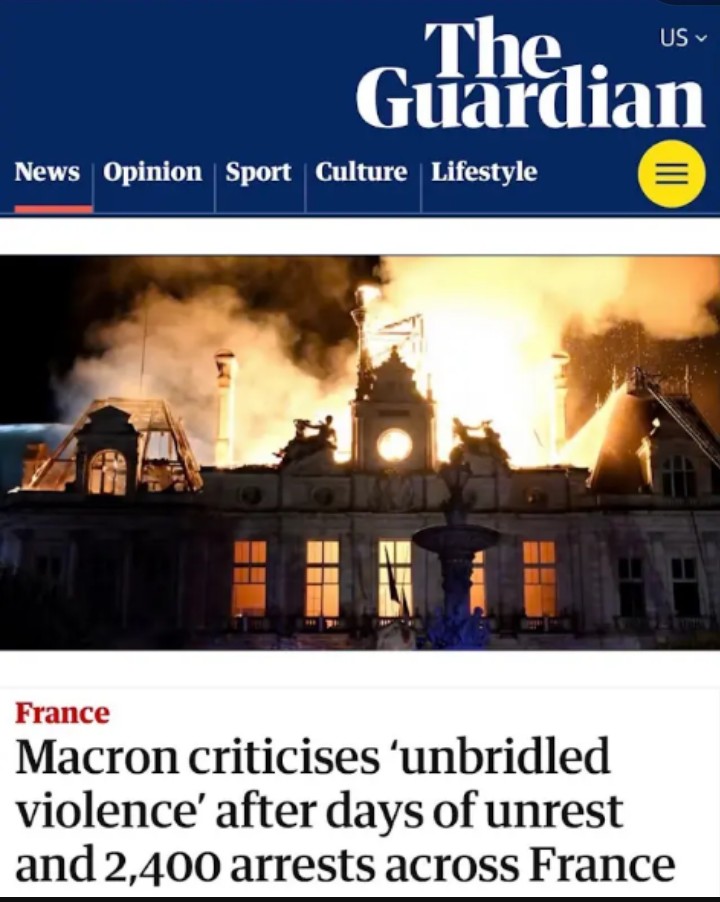
The comments come amid widespread coverage of France’s mid-October 2026 protests. What began as largely peaceful demonstrations over the cost of living, fuel prices, and the state of public services—including schools—escalated into some of the country’s worst rioting in years. Authorities reported hundreds of thousands of participants in marches across more than 100 locations, while violent elements set fire to cars and buildings, looted shops, and attacked public infrastructure.
A historic town hall in Limoges was largely destroyed by arson, city halls were targeted in Marseille and Lille, and businesses across Paris and other cities suffered extensive damage. Thousands of people were arrested and hundreds of police officers and emergency personnel were injured.
Arafat’s post reflects a consistent narrative from Awami League figures in exile: that the 2024 Bangladesh unrest was not a pure student movement but was hijacked by extremist elements, justifying the government’s forceful response. Critics of the former government have long rejected this framing, describing the protests as a broad-based popular uprising against authoritarian rule, quota reforms, and economic grievances, and accusing security forces of excessive and unlawful force.
Arafat, who served briefly as State Minister for Information in the final months of the Hasina administration and is a member of the Awami League’s central working committee, has continued to issue statements and share content critical of the post-August 2024 political order in Bangladesh through his YouTube channel and social media. International Crimes Tribunal proceedings in Bangladesh have issued warrants against him and other former officials in connection with alleged crimes during the 2024 events; he has described such cases as politically motivated.
The post has drawn supportive comments from viewers echoing his view that governments which fail to respect the power of youth risk the same outcome as the Hasina administration, while others simply affirmed the accuracy of his statements.