


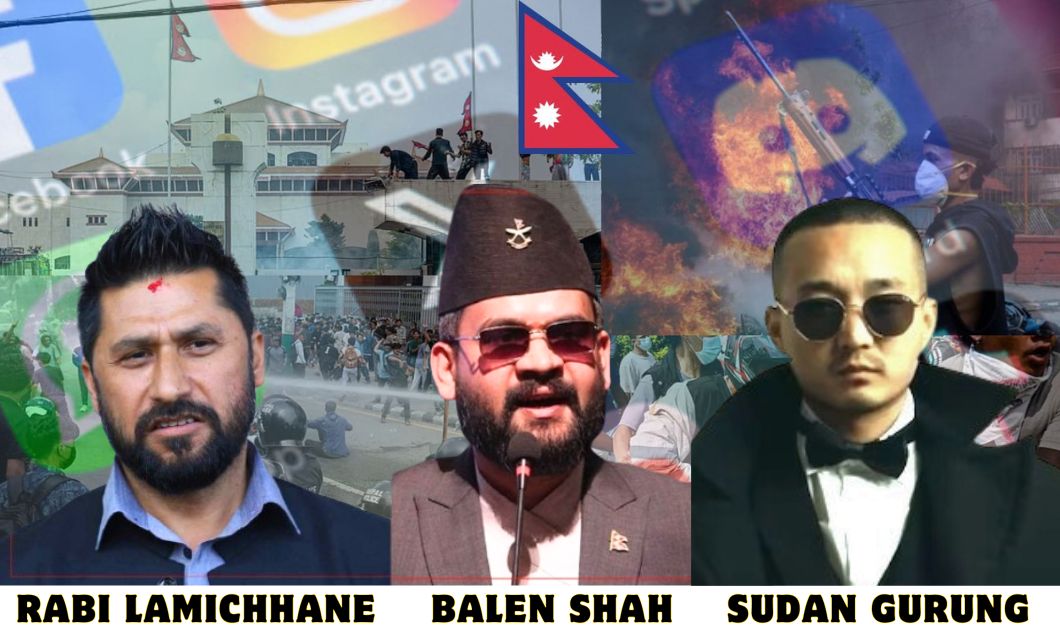
Nepal’s Rastriya Swatantra Party (RSP) Chairman Rabi Lamichhane has cautioned party leaders and cadres against arrogance and the misuse of the strong public mandate secured in the recent parliamentary elections.
Speaking at a special address programme organised by the party’s Chitwan chapter, Lamichhane stressed that greater power brings greater responsibility.
Referring to the mandate that gave the RSP a commanding majority of around 182 seats and the opportunity to lead the government under Prime Minister Balendra Shah, he said the victory should not be treated as a licence to act high-handedly.
“I want to clearly tell you, friends, that you should not misuse this mandate given by the people to undermine the people. The party is watching,” Lamichhane said. “When you are given the greatest power, that is precisely when you must act with the greatest sense of responsibility in your words and actions. History demands it.”
He specifically warned against the attitude that the party now controls state institutions. “Abandon the arrogance of thinking that today we have become a big party, the police are in our hands, the chief district officers are in our hands, and everything is in our hands,” he added.
Lamichhane also criticised the growing tendency among party members to seek only senior positions while showing little interest in grassroots roles such as ward chairperson or ward member. He noted that most applications for the upcoming local elections have been for mayoral and municipal posts, remarking that he might have to contest a ward-level election himself to set an example.
He urged cadres not to use the party’s identity to exert political pressure on the administration or police, and not to seek revenge for past mistreatment. “If we use our identity as RSP members to put pressure on the administration and police, such behaviour will not take us very far,” he said. “We are people from this very soil. Winning one election does not make us special beings.”
Lamichhane further emphasised that party members, leaders and even supporters are not above the law, and that supporting or voting for the RSP does not grant immunity from wrongdoing. He also clarified that there is no coordination gap between the party and the government, stating that the party’s role is to allow the government to function freely while continuing to exercise oversight where necessary.
The remarks come amid growing public and media attention on the RSP’s internal dynamics as it transitions from an opposition force to the dominant party in government.
Former prime minister Baburam Bhattarai said recent statements by Lamichhane and government actions pointed to growing differences between the party and the government.“Publicly airing disagreements between the government and the party within a newly established ruling party is not a good sign for the country or democracy,” Bhattarai said.
He urged the RSP, a party dominated by younger leaders that emerged from the Gen Z uprising, to learn from the mistakes of previous political movements rather than repeat them.
In a social media post, Bhattarai said internal conflicts within political parties after the 1951 political change had harmed the country, democracy, and the public. He warned that if the RSP repeated those mistakes, Nepal could once again face similar consequences.